Organizational Structure of the Humanity Union
Explore the framework that powers our mission for global unity and progress.
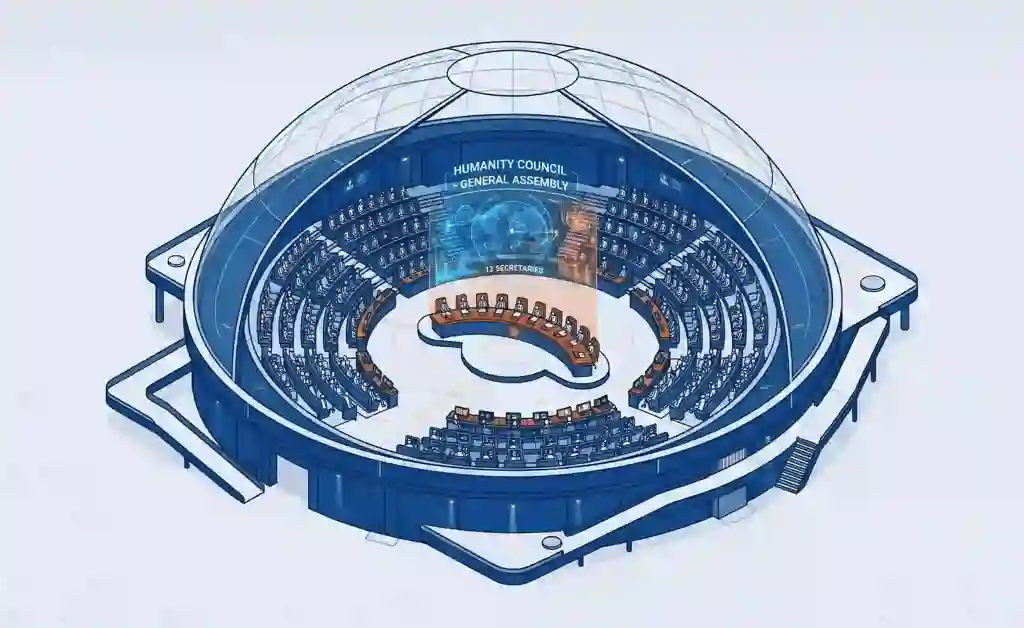
Humanity Council
Main Governing Body
Composition: A bicameral assembly composed of:
- Chamber of State Representatives
- Chamber of Intellectual Analysis & General StaffÂ
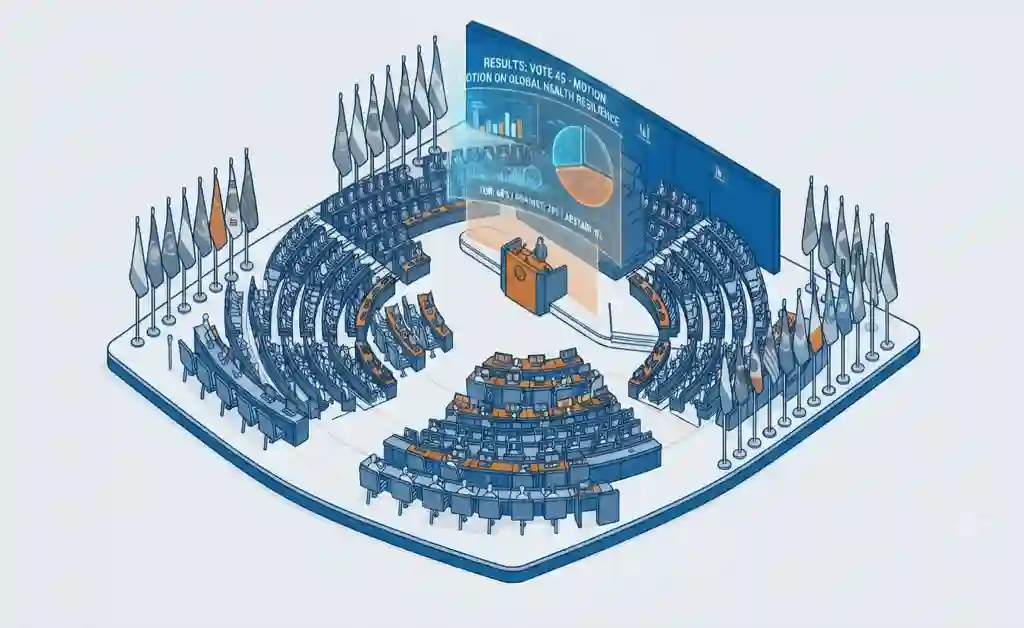
- General Assembly of the Humanity Council: A joint convening of both chambers, meeting to consider proposals and make decisions by simple majority.
- Core Function: Review, amend, and vote on all strategic proposals, budgets, programs and high‑level appointments.
Chamber of State Representatives
(First Chamber of the Humanity Council)
Official representatives from member states’ governments
Main Functions
🔹 Represents national interests and ensures policy alignment
🔹 Develops legislative frameworks for global cooperation
🔹 Facilitates international legal agreements and resolutions
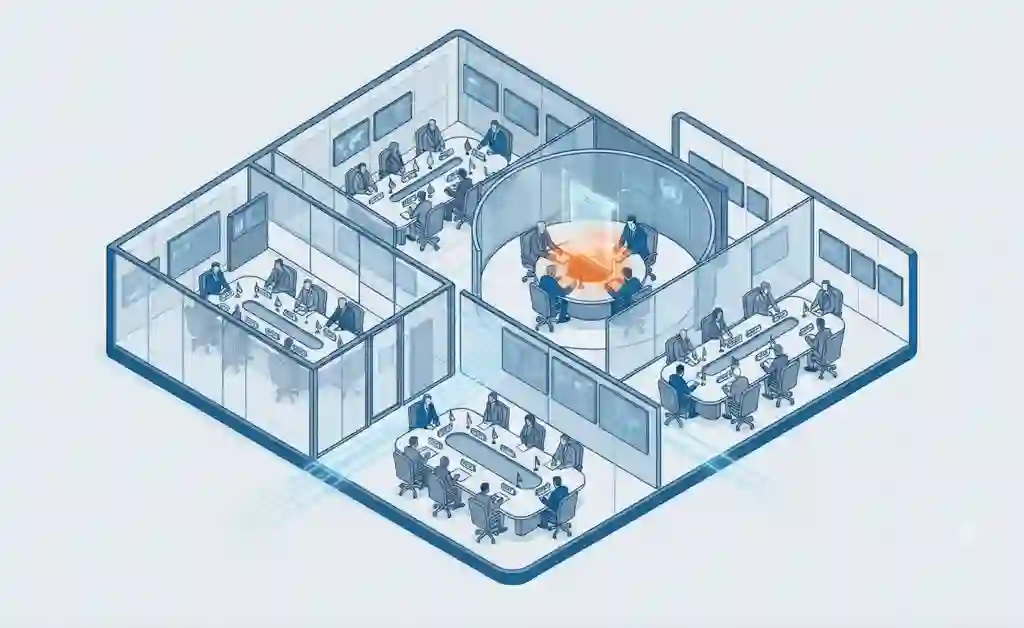
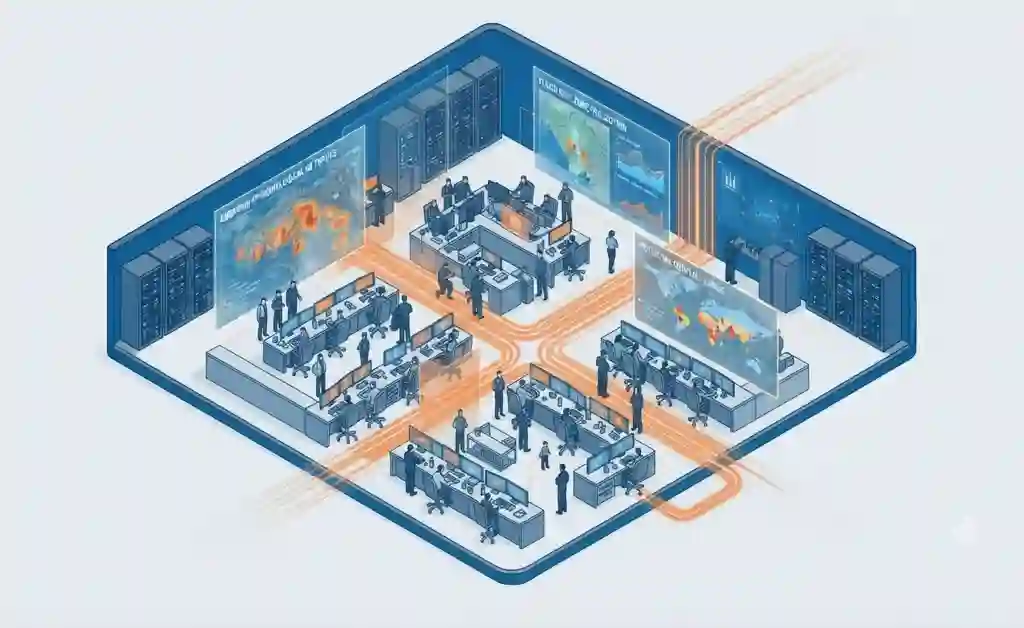
Chamber of Intellectual Analysis
(Think Tank & Strategic Advisory)
Elected experts, scientists, analysts, and strategists
Main Functions
🔹 Provides analytical and research-based policy recommendations
🔹 Develops long-term strategies for security, governance, and humanitarian initiatives
🔹 Advises on the fight against disinformation and human rights violations
Humanity Protection
Executive Body
Mission:
- Implementation of council decisions.
- Promotes military and environmental security.
Functions:
- Develops actionable plans for global challenges.
- Directs response mechanisms in crises.
1. Centralized Management & Coordination
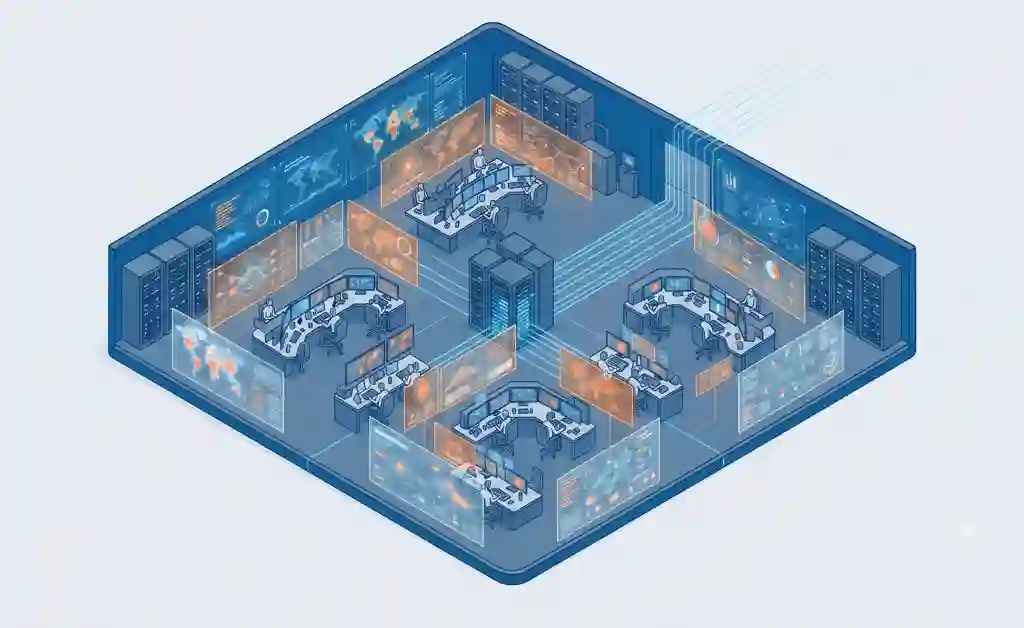
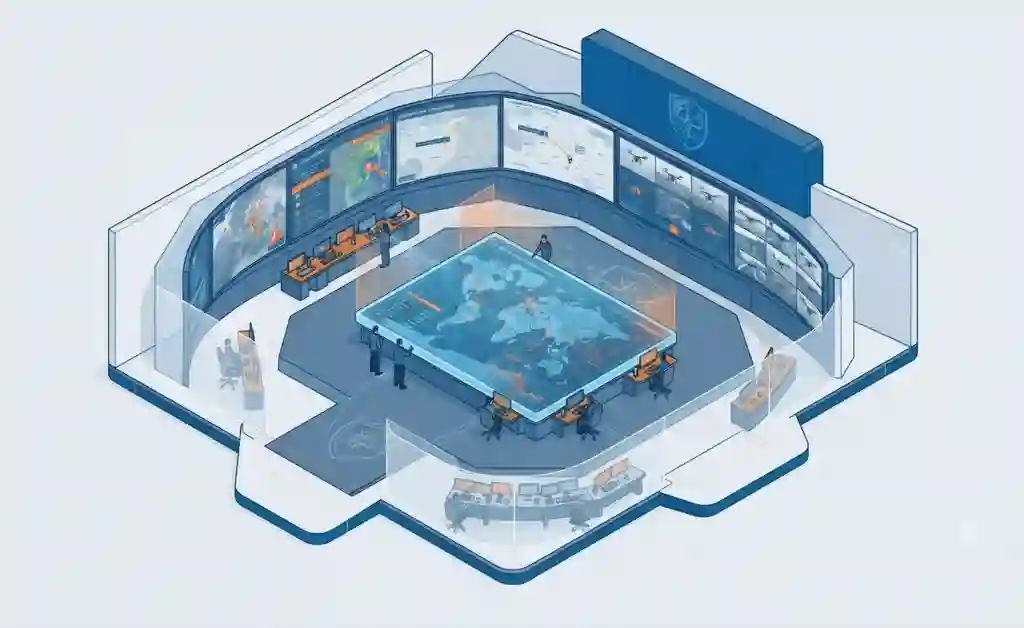
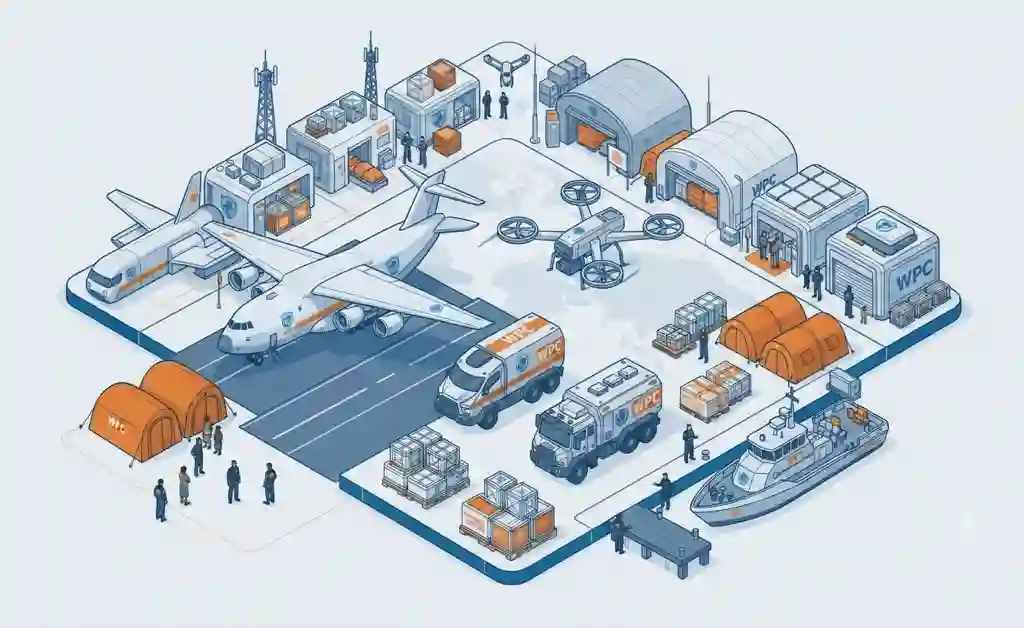
The Humanity Protection Command Center (HPC) serves as the sole strategic coordination hub for all operations of the World Protection Corps (WPC). This center:
- Directs global security, defense, rescue, and humanitarian missions.
- Integrates and oversees professional armed forces, specialized military units, rescue services, environmental protection teams, and designated medical personnel.
- Operates under the strategic oversight of the Humanity Council, ensuring alignment with global priorities and long-term security objectives.
2. Composition & Structure
The WPC is composed of personnel and resources contributed by democratic states based on a proportional system, factoring in:
- Total population (ensuring fair representation).
- Territorial size (considering geographical responsibilities).
- Resource capacity (economic strength, technological capability, and material contributions).
Each state fulfills its obligation primarily through financial contributions or equivalent material resources, facilitating the Corps’ operational sustainability.
3. Recruitment & Training
- A Unified Global Recruitment System ensures selection based on strict competency, skill, and ethical standards.
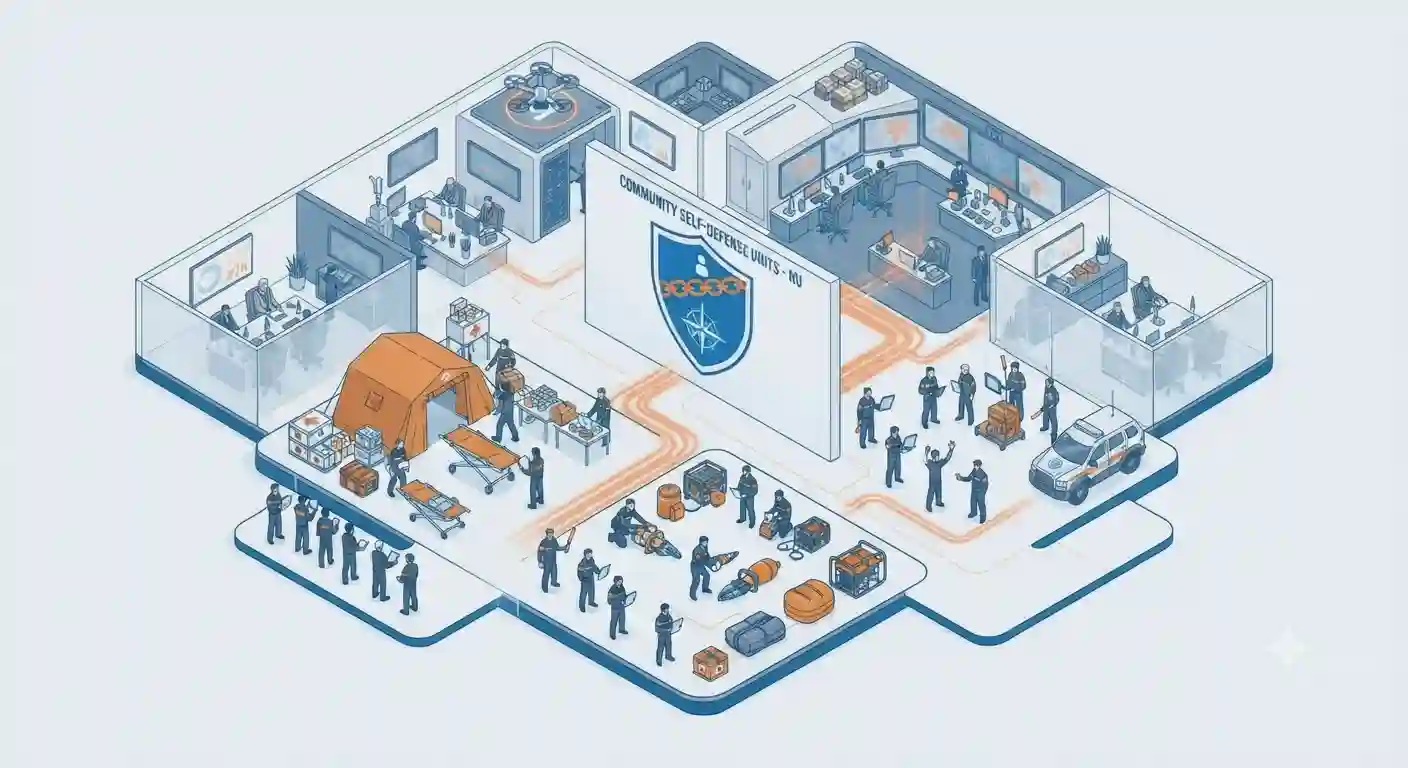
- The World Protection Training Center (WPTC) conducts standardized training for all personnel, focusing on defense, crisis response, environmental protection, and medical aid.
- Specialized divisions within the WPC include:
- Military & Security Forces (global peacekeeping and protection).
- Rescue & Emergency Response Units (disaster relief and crisis intervention).
- Environmental Protection Teams (ecological crisis management and resource conservation).
- Medical & Support Services (personnel welfare and mission sustainability).
4. Operational Deployment & Command
- The HPC deploys personnel based on real-time global threats and emergencies.
- Task forces operate under joint command structures, ensuring adaptability and efficiency.
- The Corps maintains rapid response capabilities, supported by a global logistics and resource network.
5. Financial & Logistical Support
- Democratic states fund and equip the WPC through structured contributions.
- Resources include financial assets, technology, military-grade equipment, and humanitarian supplies.
- A Global Logistics Division manages supply chains, operational readiness, and mission sustainability.
6. Integration with National & International Bodies
7. Legal & Ethical Foundations
- The Humanity Council serves as the highest governing body, making strategic decisions on the elimination of causes and prevention of global military conflicts, environmental sabotage, and responses to natural disasters.
- Decisions are based on consultations, expert analyses, and recommendations from the Chamber of Intellectual Analysis, ensuring a rational, knowledge-based approach to global security.
- The World Protection Corps does not maintain neutrality in global conflicts that threaten all of humanity but instead actively eliminates root causes of conflict and prevents escalations through strategic interventions.
- The Corps operates under a strict legal framework, ensuring all actions comply with democratic principles, international law, and ethical governance.
- Operational mandates include:
- Preventing state or non-state actors from triggering global instability.
- Protecting the environment from large-scale destructive activities.
- Responding decisively to humanitarian and natural crises.

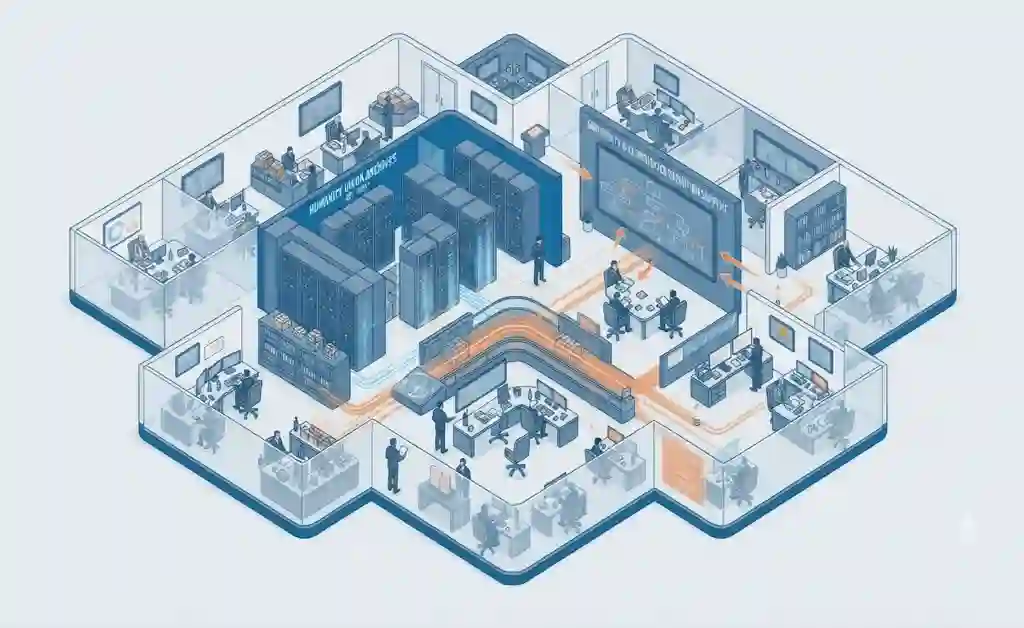
Department of Intellectual Analysis
- Bridges CIA with Humanity Protection.
- Oversees proposal drafting and refinement.
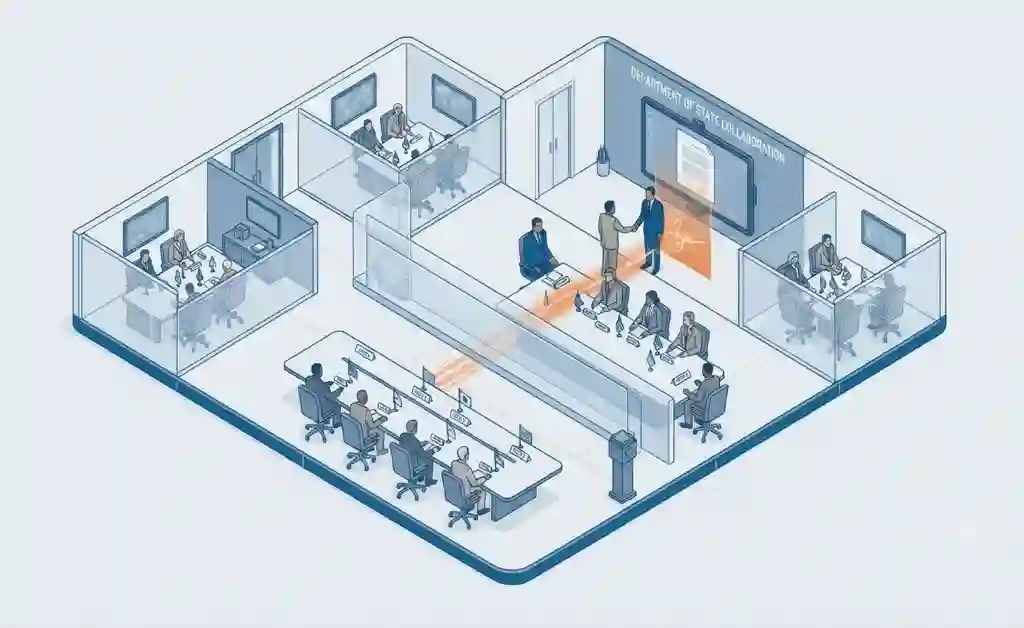
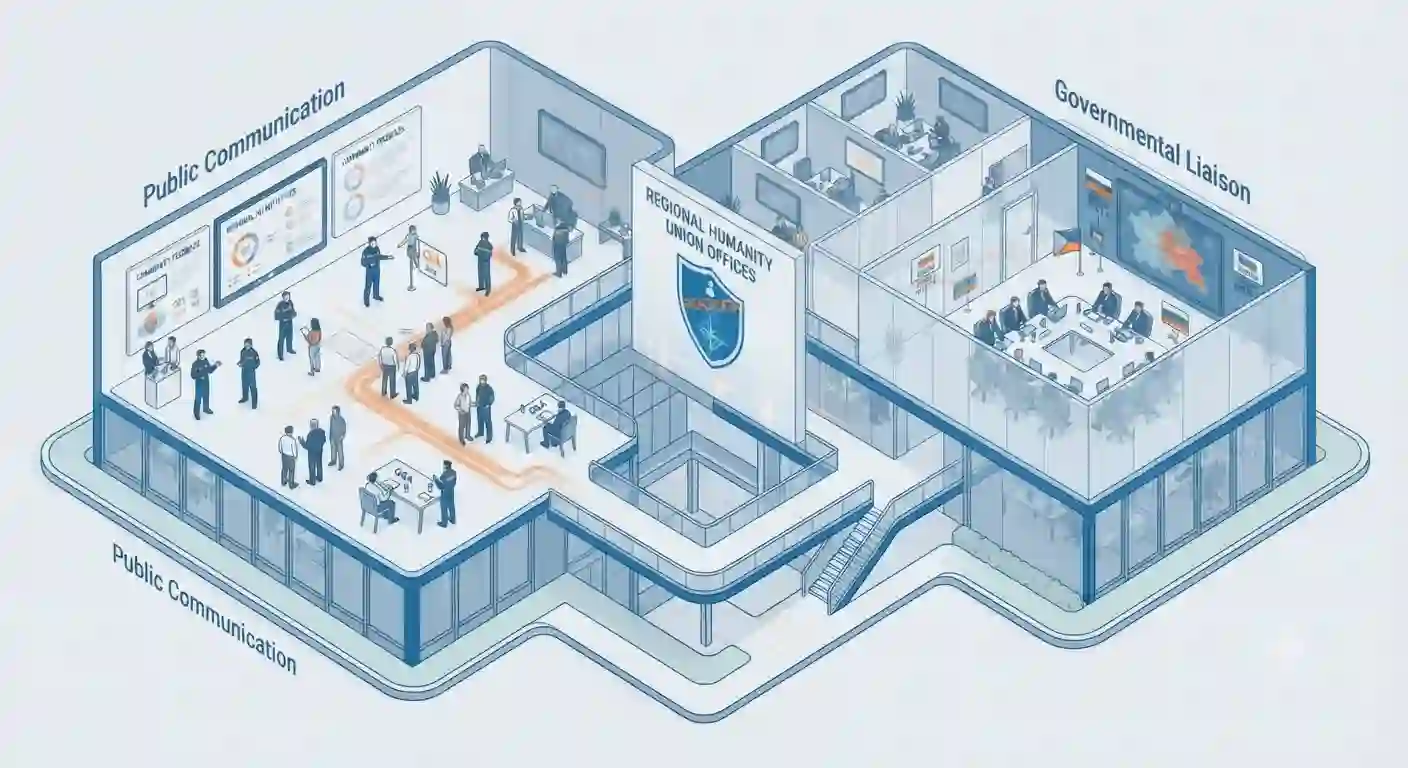
Department of State Collaboration
- Coordinates with national governments.
- Manages communication and logistics for execution.
Table Diagram: Organizational Structure of the Humanity Union
HUMANITY COUNCIL
(Main Governing Body)
CHAMBER OF STATE REPRESENTATIVES
(Legislative & Policy Authority)
CHAMBER OF INTELLECTUAL ANALYSIS (CIA)
(Think Tank & Strategic Advisory)
HUMANITY PROTECTION
(Executive & Operational Body)
Department of Intellectual Analysis
(Policy & Strategy Coordination)
Department of State Collaboration
(Intergovernmental Liaison)

You must be logged in to post a comment.