
Nature Offers Gifts of Learning
If you feel sad and hopeless to live
Something will help you for sure
Nature’s beauty will let you believe
That all pain her blessings will cure
We cannot escape many emotional moments of time, like the hours after the death of our loved ones, a tormented breakup, losing a job, huge financial loss, or after mental or physical injuries. Researchers have discovered that sadness is the longest living emotion within us. The duration of other emotions like surprise, irritation, fear, shame, disgust, boredom, being touched is surprisingly short-lasting.
Under the circumstances, in order to deal with negative emotions, I prefer to get close to Mother Nature and her gifts.
We must remember that the 27 different human emotions are not meant to terrify or torment us. There are both negative and positive emotions to manage. We need to learn from the blessings of nature to enhance our positive emotions like appreciation, admiration, amusement, entrancement, and satisfaction. It is all in our mind and we have to have full control over our mental capacity. When I feel blue and emotionally dejected, I look at the sky and this is what I learn from the advantage of breadth of the beautiful sky: despite being blue, the sky never fails to keep us happy. The broadness of it; always ready to console the shortcomings of our narrow sadness. I breathe as long as the sky is alive.
According to psychology, “Lack of natural sunlight has negative effects on humans. And a deeper blue sky may lead to higher levels of sadness and depression.” This thought process is not for me, since I try to grab only the positive things from the sky. Yes, the sky can be gloomy or stormy, but I don’t allow that gloominess to overcast me; rather, if psychologically it saddens me, I look at it this way—I am not alone. The sky is with me and that is why it is sad too. Likewise, I can be relieved from the feeling of lonesomeness by sensing that the sky cares for me, if not anyone
else in the world. I then wait for the beautiful lighter shade of blue in the sky to return, to have a calming effect upon my heart and mind in time.
There is so much to learn from the light of the world: the sun! Yes, indeed sunlight affects mental health more than any other elemental phenomenon. According to researchers’ opinion, “Out of 19 environmental factors, the only one correlating to higher levels of distress was the amount of time between sunrise and sunset.”
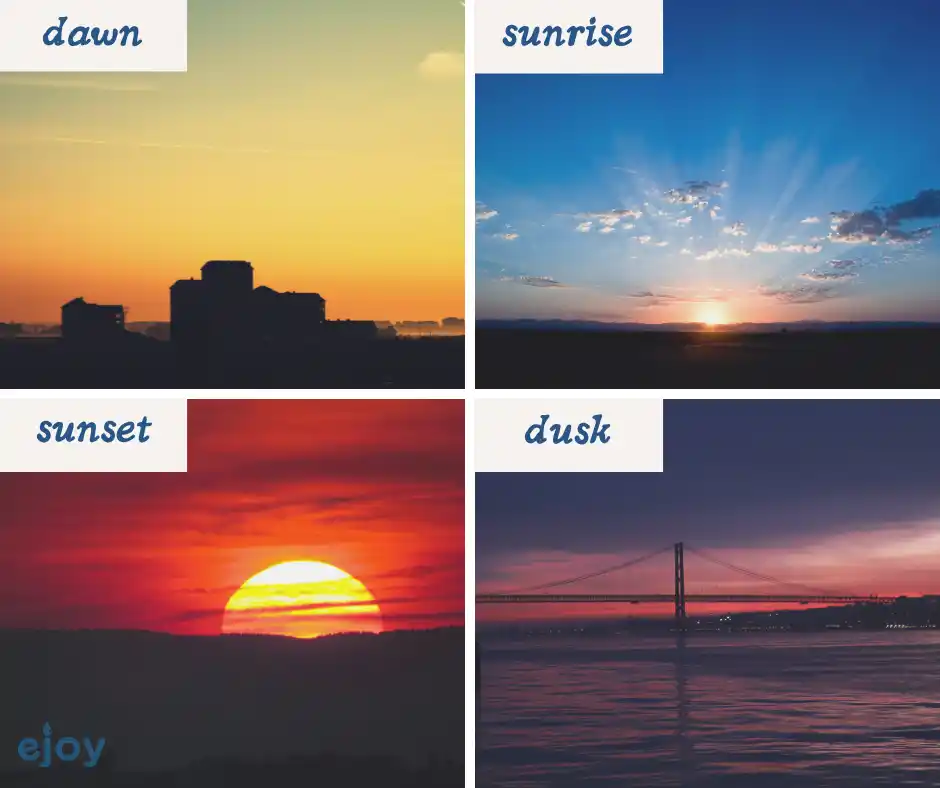
This is how I feel about it— Dawn and dusk are mutual friends of the sun; one opens the door for another to a brand-new day and the other one has to shut it to embrace the darkness of night.
This inspires me to learn punctuality from the graceful regulation of nature. And the night’s darkness is never dark enough to lure the atmosphere. Sky-life keeps going on its own sacred way adroitly, smoothly…
We must not allow the darkness of our lives to envelope us entirely. It may scorch you with its burning ray of heat, or perhaps it will tan your skin against your will. Yet without a sunny morning after a stormy night, or without the gentle touch of sunray on a wintry day, we feel irreconcilably doomed.

Author: Munia Khan
Author of- “Beyond The Vernal Mind” (published 6th September, 2012) Publisher : Xlibris Corporation, USA “To Evince The Blue” (published 29th October, 2014) Publisher : Xlibris Corporation, USA “Versified” (published 23rd October, 2016) Publisher: Tiktakti Publishing Company, Tel Aviv, ISRAEL “Attainable” (Published 2nd June, 2020) Publisher: Authors Place Press, CO, USA. “Fireclay” (Published 3rd March, 2020) Rushmore Press LLC, Rainbow Boulevard, Las Vegas, USA “The Half Circle” (Published July 15, 2020) Rushmore Press LLC, Rainbow Boulevard, Las Vegas, USA "Art-Alive" (Forthcoming publication 2025) Xlibris Corporation, USA

Thanks, Munia, for the publication. It’s clear that many people looking for emotional stability choose the easiest way, when the solution, as you described so beautifully in your post, is right there: being in harmony with nature, feeling its care, and caring for it. I totally agree with you.
You are welcome, Michael. Thanks to you too for appreciating my simple thought. So much appreciated. Much gratitude; keep up your amazing work!