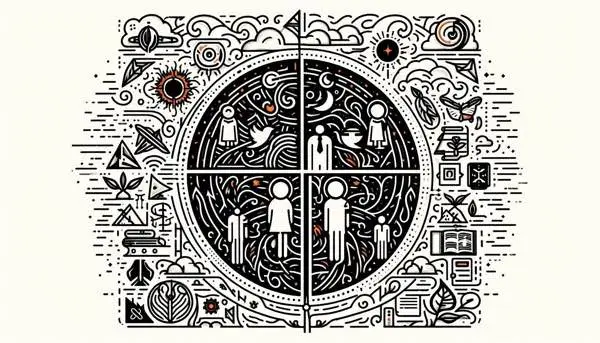

The Gradual Evolution of Responsibility: From Self to Society
Responsibility is not just a virtue but a cornerstone of personal growth and societal progress. It begins with the individual, expands to encompass family and community, and ultimately extends to the collective fate of humanity and the environment. Understanding and embracing responsibility at each stage of this progression is crucial for personal fulfillment and the well-being of society as a whole.
At its core, responsibility starts with oneself. It entails recognizing one’s agency and accountability for one’s actions, choices, and their consequences. Self-responsibility is the foundation upon which all other forms of responsibility are built. Without a strong sense of self-responsibility, personal growth and development become stunted, hindering the individual’s ability to navigate life’s challenges effectively.
The next stage of personal growth involves assuming responsibility for those closest to us – our partners, families, and children. This expanded circle of responsibility necessitates prioritizing the needs and well-being of loved ones, making sacrifices when necessary, and nurturing healthy relationships. As individuals mature, they realize that their actions not only affect themselves but also have ripple effects on their immediate social circles.
Beyond the confines of family, responsibility extends to the broader society and community. This entails active participation in civic duties, contributing positively to the community, and upholding ethical principles in interactions with others. Society functions smoothly when its members recognize their role in maintaining its fabric, fostering cooperation, and addressing collective challenges.
However, the highest stage of responsibility transcends individual and societal boundaries – it encompasses the fate of all humanity and the environment. In an interconnected world facing pressing global issues such as climate change, poverty, and injustice, individuals must recognize their role in shaping the collective destiny of humanity and safeguarding the planet for future generations.
Despite the inherent importance of responsibility, individuals may sometimes falter in demonstrating it, especially when facing existential crises or disillusionment with life. Factors such as mental health struggles, societal pressures, and feelings of insignificance can erode one’s sense of responsibility, leading to apathy or detachment from personal and social obligations.

Author: Vlad Shapran
My life is a story about continuous education, which makes a person's life meaningful and useful.