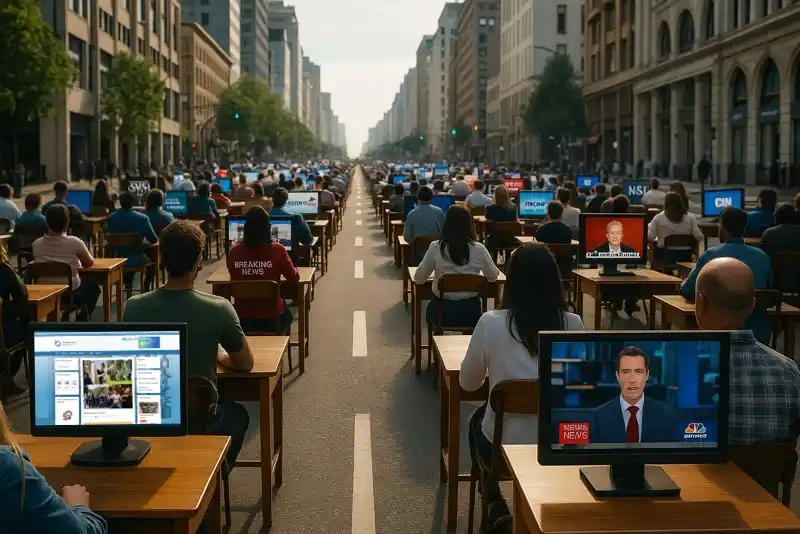

What Do We Do for Social Education?
Social education—our collective learning about civic responsibility, critical thinking, and community engagement—is the backbone of a healthy society. It shapes how we perceive information, how we act in times of crisis, and how we invest in the common good. Yet in an age of information overload and rising global challenges, we often shy away from responsibility, slipping into a cycle of social infantilism and avoidance. Below, we explore concrete steps you can take every day to strengthen your social awareness and overcome the fear of responsibility.
1. Concrete Steps for Daily Social Activity
1. Curate Your News Intake
- Choose two reputable sources each morning (e.g., a major newspaper’s website + an independent fact‑checker).
- Spend 10–15 minutes cross‑checking a major headline—compare how different outlets cover the same event.
2. Engage, Don’t Just Consume
- After reading an article or watching a civic video, write a 2‑sentence reflection: What surprised you? What action could you take?
- Share your reflection with a friend or on a community forum to spark dialogue.
3. Volunteer Micro‑Actions
- Sign one online petition or register for a local community event once a week.
- Offer a small skill—proofread materials for a nonprofit, tutor a neighbor’s child online, or help translate a community bulletin.
4. Practice “Scan and Question”
- When you scroll social media, pause on a provocative post. Ask: “Who benefits if I believe this? What’s the evidence?”
- Look for one data point in the post you can verify independently.
5. Host Monthly Discussion Circles
- nvite 3–5 people (in person or via video) to discuss a pressing issue—climate change, local governance, digital privacy.
- Assign each person a short “brief” to research beforehand, fostering shared responsibility.
2. Problems in Education and Information
- Echo Chambers & Confirmation Bias
Platforms reward content that reinforces our existing beliefs, isolating us from diverse perspectives. - Clickbait & Sensationalism
Media driven by ad revenue prioritize viral outrage over nuance—encouraging fast judgments, not careful analysis. - Digital Literacy Gap
Schools often teach basic computer skills, but not how to assess source credibility or recognize manipulation tactics. - Civic Disconnection
As routine civic education wanes, individuals feel powerless—less likely to vote, volunteer, or advocate.
3. Infantilism & Irresponsibility: A Vicious Cycle
- Fear of Complexity
Confronting global problems (climate, inequality, conflict) can feel overwhelming—so we revert to childlike denial or distraction. - Avoidance of Accountability
“It’s not my problem” becomes a default. When everyone thinks this way, real issues remain unaddressed. - Dependence on Authority
Expecting “someone else” (leaders, experts) to fix everything diminishes our own agency—and erodes democratic participation.
4. Recognizing and Overcoming the Fear of Responsibility
- Self‑Check for Avoidance
- Notice thoughts like “I can’t make a difference” or “That’s too big for me.”
- Write them down; then counter each with one concrete action you can take today.
2. Build a “Consequence Map”
- For a decision—say, reducing single‑use plastics—list the positive and negative outcomes for yourself, your community, and the planet.
Seeing real cause‑and‑effect trains you to anticipate consequences proactively.
3. Adopt a Growth Mindset
- Treat mistakes as learning opportunities. When a project falters, reflect: “What can I do differently next time?”
- Celebrate incremental wins—volunteered hours, new sign‑ups for a cause, or a thoughtful comment changed someone’s mind.
4. Pair Up for Mutual Accountability
- Partner with a friend or colleague to set monthly social‑education goals.
Share progress and challenges openly; the fear of letting each other down turns into motivation.
5. Educate Yourself Continuously
- Enroll in a short online course on critical thinking, media literacy, or local governance.
- Commit to one hour of structured learning per week—treat it as non‑negotiable as brushing your teeth.
5. Toward a Responsible, Empowered Society
By integrating these daily practices and confronting our tendencies toward avoidance and infantilism, we can:
- Strengthen Social Cohesion: Diverse voices find common ground through respectful dialogue.
- Enhance Civic Resilience: Communities better anticipate and respond to crises—environmental, political, or health‑related.
- Reinforce Democratic Norms: Citizens become active stakeholders, not passive spectators.
True social education is not a one‑time lesson but a lifelong journey of curiosity, courage, and collective accountability. When we refuse to abdicate responsibility, we transform our societies from fragile constructs into robust, adaptive, and compassionate communities—ready to protect one another when trouble comes to our doorstep.

Author: Michael Kaplan
To encourage people to think, understand, and find solutions in the fight against ignorance, while promoting knowledge and inspiring personal and collective responsibility for a more enlightened and just society.