
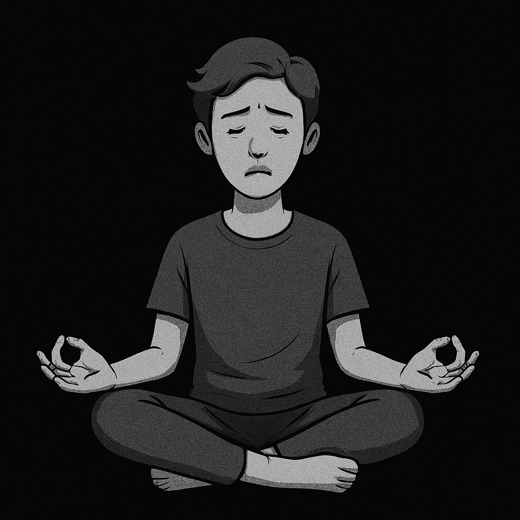

Meditation is widely promoted as a path to inner peace, focus, and emotional well-being. While there are real benefits to mindful awareness and intentional stillness, not all meditation is healing. When misused, meditation can become a form of mental escapism—a subtle yet dangerous way to avoid reality, suppress critical thought, and bypass responsibility.
This publication explores the darker side of meditation when it’s practiced not for growth, but for self-removal from responsibility and life engagement.
When Meditation Becomes an Escape
Meditation, when disconnected from real-world responsibility, can foster:
- Emotional avoidance rather than integration,
- Thought suppression rather than clarity,
- Spiritual bypassing instead of personal growth.
Rather than facing challenges, some individuals retreat into a false calm that blocks problem-solving, communication, and accountability.
Who Is Most at Risk?
1. Emotionally Overwhelmed Individuals
People seeking refuge from chronic stress or trauma may use meditation to numb themselves rather than seek healing or help.
2. Conflict-Avoidant Personalities
Rather than confronting issues in relationships, they retreat inward, using meditation as a shield to avoid necessary dialogue or change.
3. People in Spiritual or New Age Circles
In certain communities, there’s pressure to “stay high-vibration” or “transcend the mind,” which discourages healthy emotional processing or self-criticism.
4. Adult Infantilists
Those uncomfortable with independence or adult duties may use meditation as a surrogate parent, replacing decision-making with detachment and surrender.
5. The Intellectually Passive
Some use meditation as a way to stop thinking instead of learning to think critically and responsibly, mistaking silence for wisdom.
The Consequences of Misused Meditation
- Blocked Cognitive Function
Long-term suppression of thoughts can lead to poor decision-making, lack of analytical skills, and difficulty engaging in complex tasks or problem-solving. - Emotional Numbness
Rather than achieving emotional regulation, people may become disconnected from genuine feelings, leading to coldness or apathy in relationships. - Distorted Self-Perception
A meditative “observer” mindset may become overdeveloped, leading to a hollow sense of self or disconnection from one’s own values and actions. - Social Withdrawal
Excessive meditation may encourage detachment from society, reducing empathy and engagement in civic, personal, or professional responsibilities. - False Sense of Enlightenment
Some individuals believe they’ve “evolved beyond” ordinary concerns, adopting a superior attitude that masks unresolved inner wounds and moral passivity. - Avoidance of Real Help
Instead of turning to professional therapy, education, or social engagement, individuals may rely on meditation as a catch-all solution, often worsening mental health issues.
The Role of Self-Deception
Meditation, like any tool, can become a mechanism of self-deception. If its use is not guided by critical self-awareness and grounded values, it may fuel:
- Delusions of control or purity,
- Avoidance of reality-based effort,
- Minimization of responsibility (“Everything is just an illusion” logic),
- Overreliance on internal states instead of external action.
Cultural and Commercial Influences
Meditation is now a billion-dollar industry. Many apps, influencers, and brands promote a “just meditate it away” culture:
- Offering quick fixes for deep problems,
- Encouraging emotional suppression as calmness,
- Selling spiritual bypassing as enlightenment.
This marketing often exploits:
- Low levels of education,
- Widespread anxiety and burnout,
- The general public’s lack of critical understanding about psychology and personal responsibility.
The result? A population that feels calm—but remains confused, disempowered, and disengaged.
Meditation with Awareness, Not Avoidance
Meditation has a place—when integrated with education, ethical responsibility, and real-world action. But when used to escape, it can quietly reinforce the very suffering it claims to heal.
We must ask:
- Am I meditating to grow, or to hide?
- Am I calming my mind—or silencing my responsibility?
True self-awareness leads to courage and action, not withdrawal. Honesty, critical thought, and engaged responsibility are the real paths to peace.


Author: Derek Jennett
I believe in approaching challenges with a playful curiosity and a strategic mindset. Let's explore how we can turn the 'game' of work into a meaningful and engaging experience. Join me as we discover new ways to collaborate and thrive.

I absolutely agree with you on this, Derek. I have seen people become escapist and even began to get deceitful and selfish after meditation. I even have heard that evil spirit comes inside the body at certain point of meditation as some of these so-called Chakras invite the negative energy within. Being a Muslim, I personally believe that praying to our creator directly 5 times a day is the best meditation in the world which works like magic. A highly recommend your work of wisdom here.